hotel
Ecological urbanism and landscaping as an applied art
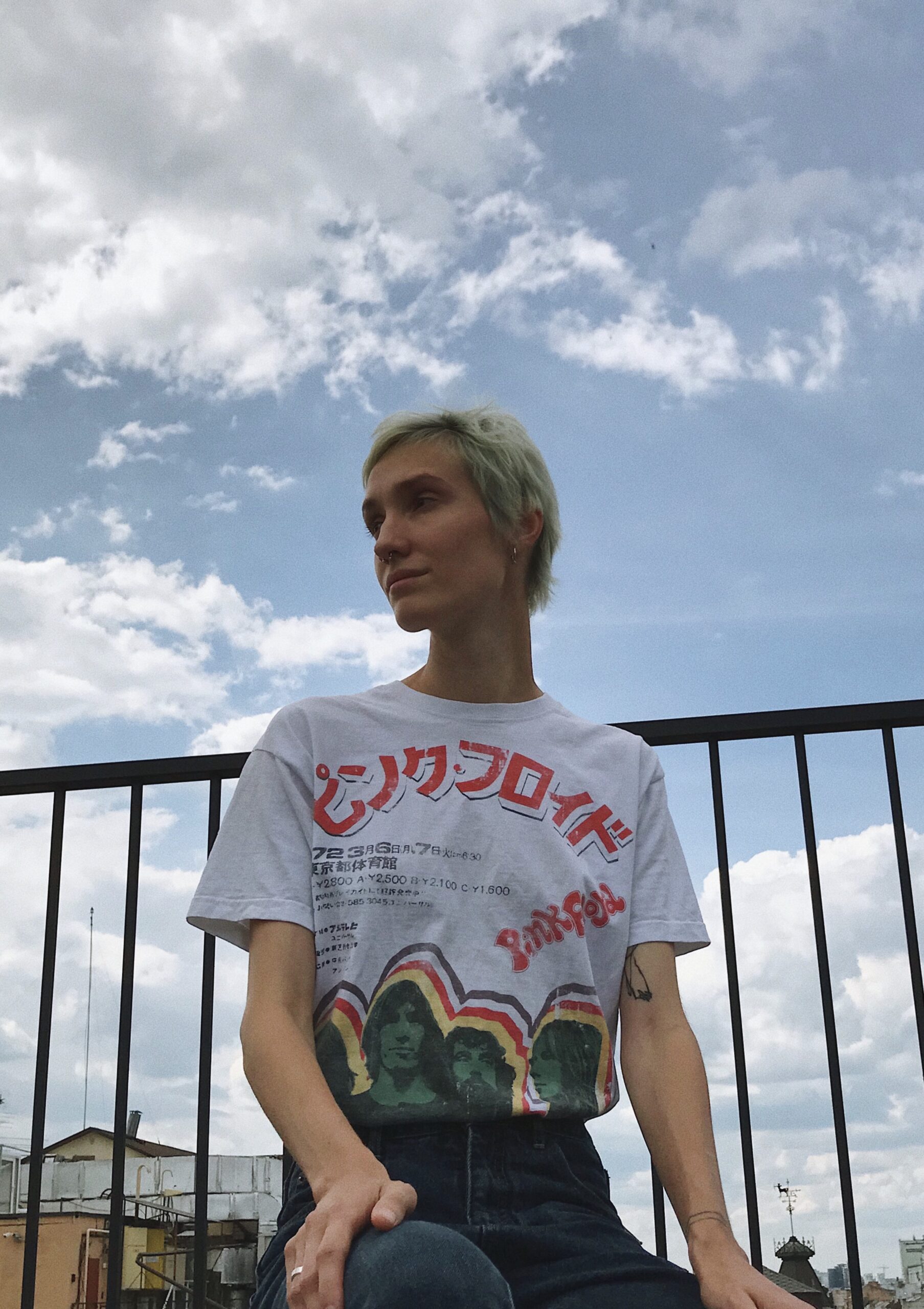
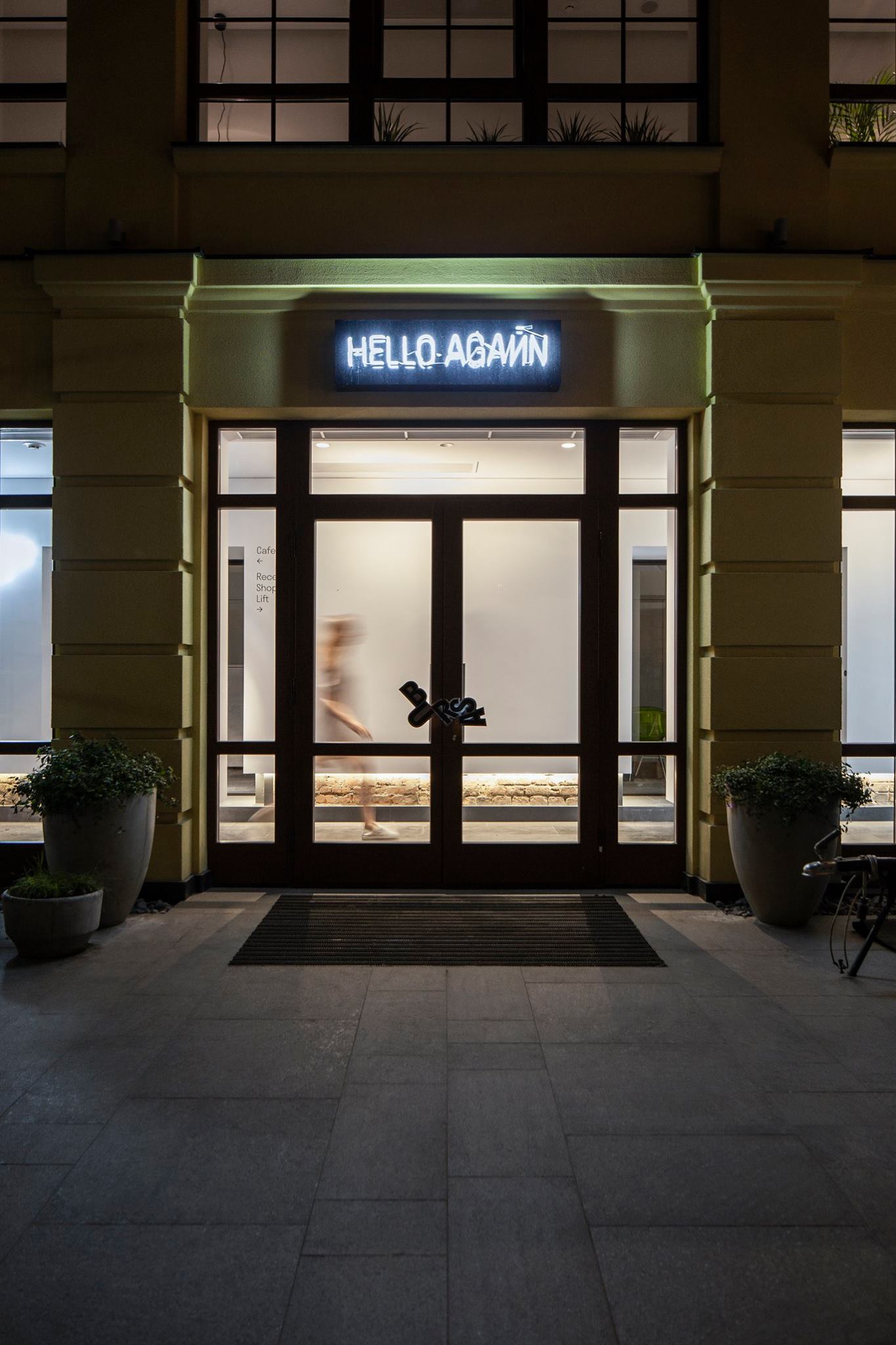
Anastasia Kolenkova, landscaper of BURSA Hotel, tells about easily offended plants, ecological urbanism, landscaping as an applied art and many other things.
(click on image to view more)
Have you been doing landscaping for long?
I can’t call myself a landscaper because for now I deal mainly with houseplants. My mother has always kept flowers at home, so as a child I had my first acquaintance and interaction with them.
I dropped out of this activity as soon as I left my hometown and plunged into a long nomadic life and moving from one place to another. When I finally settled down I felt a strong necessity to have that back in my life.
How did this hobby turn into a job?
For a long time I didn’t understand what I wanted to do in my life, and then finally I just combined three factors – what I love doing, what I can do and what there will be a demand for. Landscaping fit all these parameters. For some time I worked as a gardener, but working outdoors often means high physical endurance, including ability to tolerate different weather. So I went back to houseplants. In fact, BURSA is my first large project. And I am very happy to be here because along with doing what I enjoy and bringing my ideas to life I have a chance to feel myself involved in something much bigger.
What do plants mean for you?
I don’t think they are an element of décor. For me they are companions, partners. I tend to invest them with human traits, character. There are times when one doesn’t get along with a plant at once.
It happens as if at some intuitive level, and no matter how much one takes care of the plant, it just doesn’t grow well. Sometimes plants may take offence, and one has to connect with them again from the start, to earn their trust.
Certainly, one can explain everything in biological terms, but I prefer to think that plants have some rudiments of the consciousness. When you truly want a flower to live, it will return your affection. Tending the plants means seeing immediate feedback in the form of new sprouts, flowers and overall appearance. Sometimes you forget watering the plant and see its leaves droop. Then you water it and shortly they are fresh and springy again, and this is the biggest gratitude for your efforts. That’s what I like most about it. I have many plants at home, but it all started with 2 potted violets, which I decided to breed, and which later on were joined by many other plants.
Are violets your favourite flowers?
In terms of shape I like lianas most of all. It’s difficult to distinguish a single plant, because every flower has its beauty, so I try to learn interaction with different types of plants. As strange as it may sound, at the moment I can’t make a connection to cacti. Anyway, I would like to enhance my knowledge in this and related fields and to engage in something more global, like ecological urbanism. I think it is a pressing issue. Today a city poses a real threat to people living in it, not to mention its aesthetic and visual component.
How do you understand which plants will fit in which interior environment?
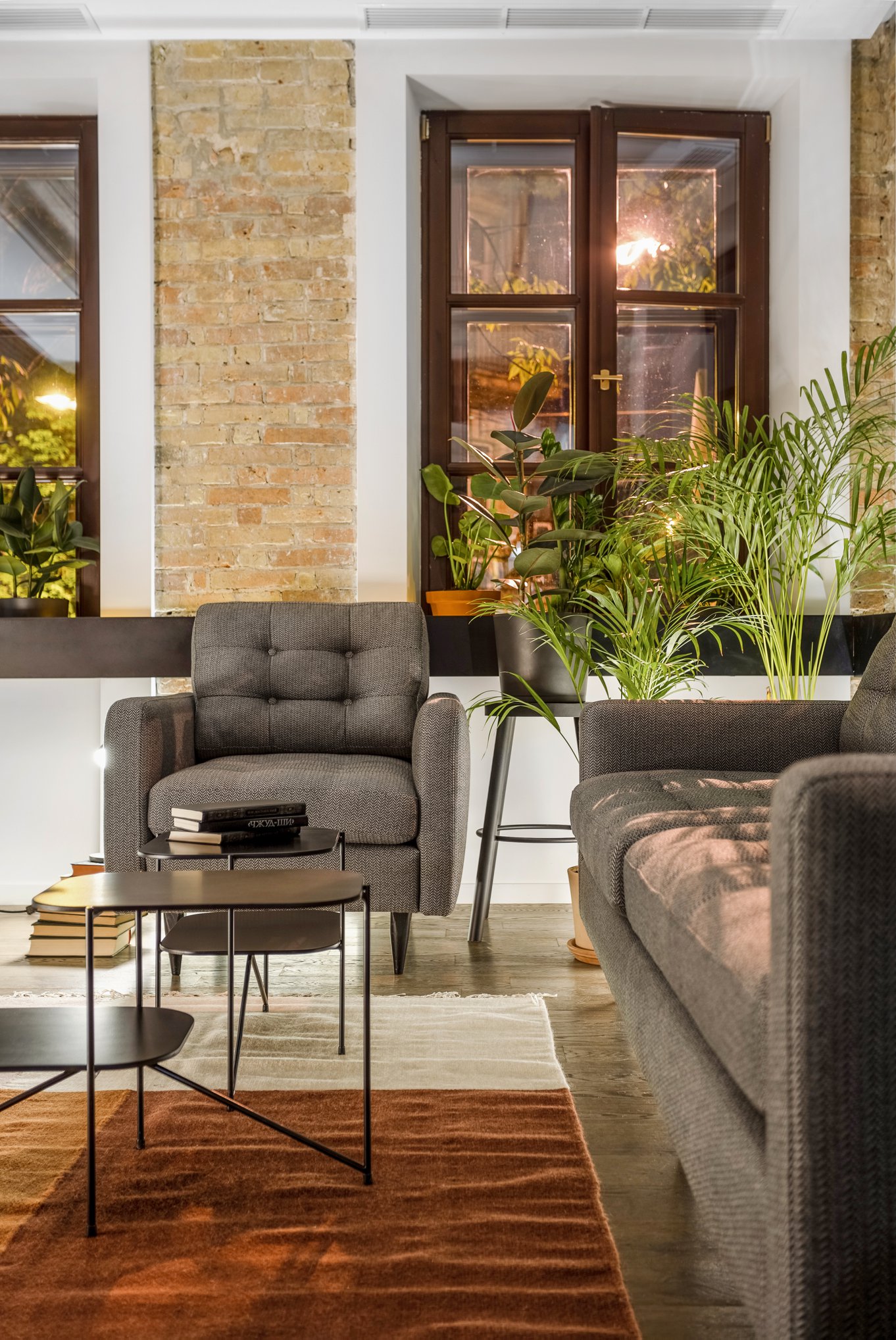
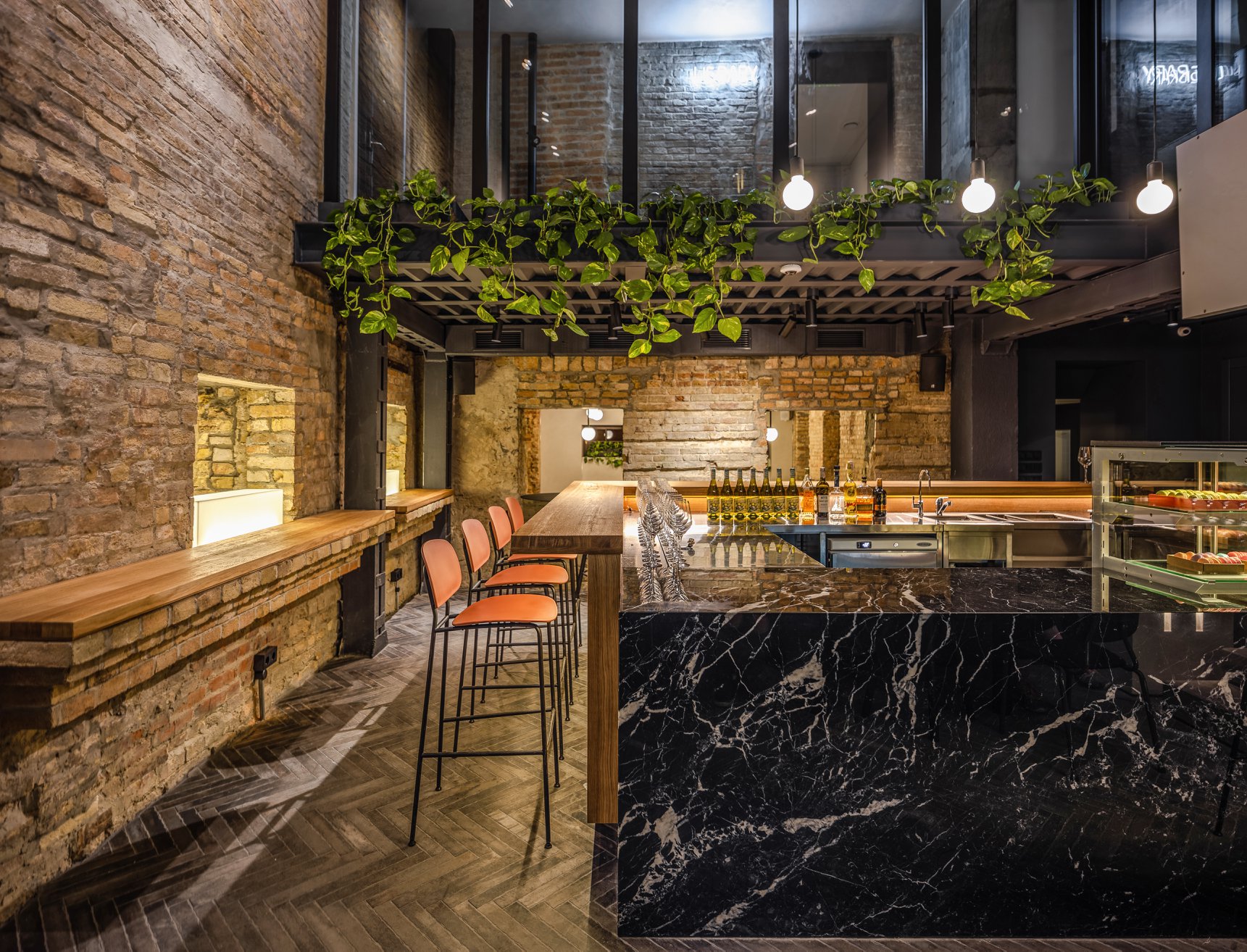
I take cue from my visual and compositional feelings in the first place with an eye on overall design. You can take everything in consideration – a separate element of the interior environment, colour patch, texture. And, certainly, suitable temperature and lighting are a key to healthy growth of plants.
Can one call landscaping an art?
Yes, but rather an applied art. It doesn’t pose questions as other types of creative art, but just accompanies people in their daily life bringing in harmony and tranquility. There are good reasons why most plants are green, which is very pleasant for the human eye.
I know that you are also a professional model. How do you manage to combine all this?
At the moment I dedicate all my efforts to BURSA Hotel project. On second thought, I manage my time well, and so far I can find time for everything. It gets hard only when I have to leave for a long time, but things usually get sorted somehow. I think plants are a big responsibility. I don’t like it when people say “Can you recommend any plant that doesn’t require much care?” Why do you need it then? I don’t like such approach. Plants are living things. I will never be a flower arranger because it means working with cut flowers. For the same reason I ask not to give me bouquets. I hate to see flowers die slowly.
Why has the humanity put the nature in the background for a long time?
This is still a pressing issue on the global scale – huge natural areas are destroyed by joint efforts of the humanity, actions of specific organizations and sometimes specific people.
Industrialization, urbanization, need to use space as functionally as possible, which doesn’t always bring profit, as follows from the recent example: in the second half of the 20 th century it was found that in closed, mostly office premises accommodating large masses of people, a lot of hazardous volatile compounds were accumulated in the air, which affected people.
They got sick often, their performance was poor generating tremendous losses for large corporations and governments. Ventilation systems didn’t help, but rather exacerbated the situation. That’s how the notion of the sick building syndrome appeared. After numerous studies it was determined that plants placed in such premises improved air composition to a great extent and the problem was solved. Today one can hardly find an office without plants. In routine, domestic terms, I think people have always tended to decorate their dwellings with flowers and plants. The problem always remains at the more global level.
Do you have your favourite green zones in Kyiv?
I love Kytaivska Pustyn. It is within the city limits, but at the same time one feels complete detachment from civilization there and certain antiquity of those green areas. As for more public places, I like the conservatory in the National Botanical Garden. There are lots of interesting plants there and dizzyingly fresh air.
On second thought, I try to spend more time in my neighbourhood by the bay. It is still wild and thinly-populated there. Sooner or later it will turn into a manicured quay with sidewalks, playgrounds for children and hookah lounges.
If the world were a single plant, what would it be?
It would be a large and strangely shaped plant. Like a baobab.