hotel
Avant-garde music of Kievnauchfilm
Tanya Voytko, TIGHT Magazine
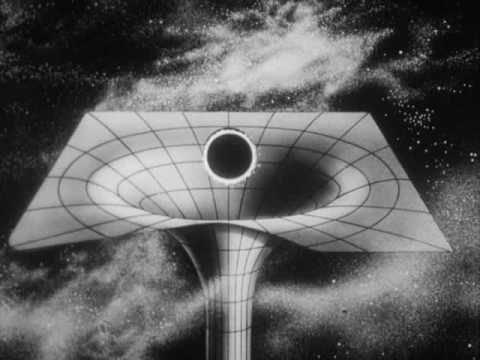
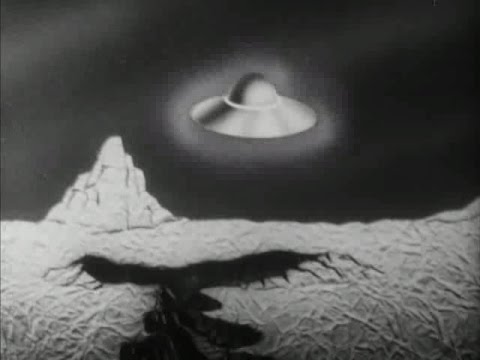
(click on image to view more)
Promotion the knowledge in science and technology in the Soviet Union was an essential element of propaganda integrated into politics and cultural life of the Soviet people. Science was promoted in various ways: book and periodicals publishing, spreading propaganda in schools and universities. But filmmaking was the main gearwheel in the propaganda machine. Centres of popular science filmmaking emerged all over the Soviet Union: Centrnauchfilm in Moscow, Lennauchfilm in Leningrad, and Kievnauchfilm in Kiev. The latter produced an endless number of educational and comprehensive films about space, technologies and human psychology. Scriptwriters, directors and cameramen of Kievnauchfilm acquired fame both in the Soviet Union and far beyond its borders. Only avant-garde composers, who created experimental and hardly categorized music commissioned by the film centre, have been overlooked.
Kievnauchfilm was founded on January 1, 1941 at the premises of Techfilm section of Kyiv Movie Factory. During the World War II the centre obeyed the Soviet state policy producing mostly propaganda with occasional popular science films. Era of control ended with the war. Kievnauchfilm started making films about technologies and future, sports and culture, psychology, as well as cartoons created at the new animation studio. At the same time the centre started inviting new wave composers for cooperation. Avant-garde music never found any support in the Soviet Union, neither from the state nor from the audience, that is why music sounding foreign to the Soviet people’s ears didn’t find its way into concert halls. It was the other way round with documentaries from Kievnauchfilm. For documentary directors futuristic sound hallucinations created by avant-garde composers have become a perfect accompaniment into the world of pumps, power converters, condenser welding and other terminology incomprehensible for laymen.
Talking about stock music of the Soviet times, names mentioned most of all are Vitaliy Godziatsky and Aleksandr Zatsepin. Godziatsky was a composer of the 60’s, member of the Kiev Avant-garde group and an experimentalist in the field of musique concrète. Zatsepin has created numerous pieces for movies and cartoons, including a soundtrack for the cartoon Mystery of the Third Planet – one of the icons of the early Soviet electronic music. Both composers created music for Kievnauchfilm as well. They created a number of amazing pieces for the film studio, both for cartoons and science fiction movies. According to Vitaliy Godziatsky, he rarely accepted commission to create music for the sake of money. "If I was moved by a story or visual imagery, and it was about art, and not fakes, then creating music was effortless." Alternative was probably one of such musical pieces – an animated parable about mutually exclusive qualities every person has. Synthesizer played a key role in the theme music of Alternative. Its psychedelic, shrill and troubling sound makes one ask oneself: "Is it a cartoon for children?" In the Soviet times animated movies were practically uncensored. Directors and composers of Kievnauchfilm felt maximum freedom seeking new forms and challenging entertaining nature of cartoons, hence their music was complex, exciting and not typical for conventional Soviet animation films.
Today Kievnauchfilm legacy could have become a crucial resource for reissues and a source of inspiration for the new generation of musicians, but, unfortunately, most part of the valuable assets have been lost and destroyed. Some cannot be found because there is no document-supported authorship, and those records that people managed to find are frequently not master copies but a jumble of music and voice of an off-camera speaker. It’s hard to imagine how many creations of genius might have been stored in the Ukrainian cultural background now. Dozens, hundreds, thousands? Kievnauchfilm disappeared quietly and without a trace, taking with it the entire page in the history of avant-garde music.