hotel
In each place, people need individual approach
Bars, parties, whiskey, beer and French fries, minimalism, graphics, cleanliness of form and the simplicity of color - this and more - in a conversation with Roman Danko, the barman of "1818"
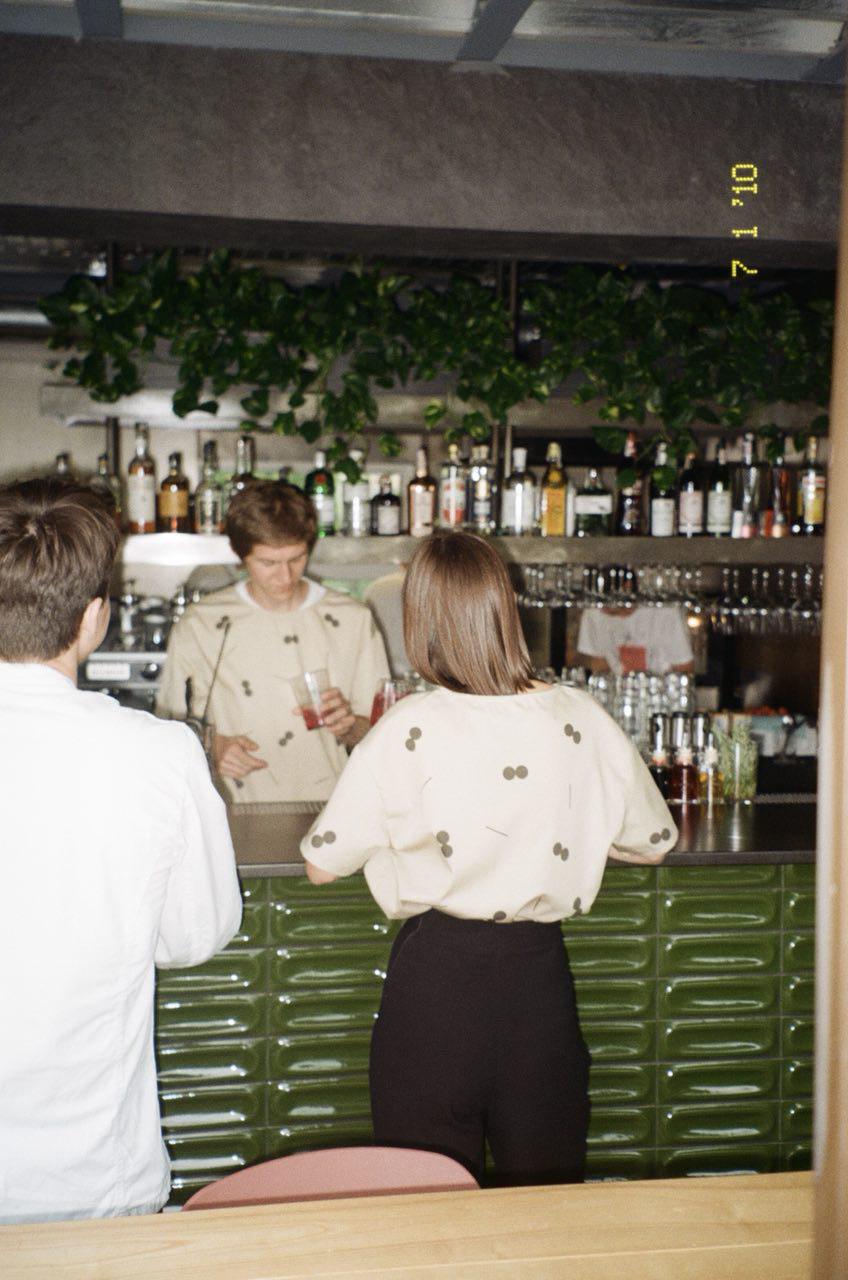
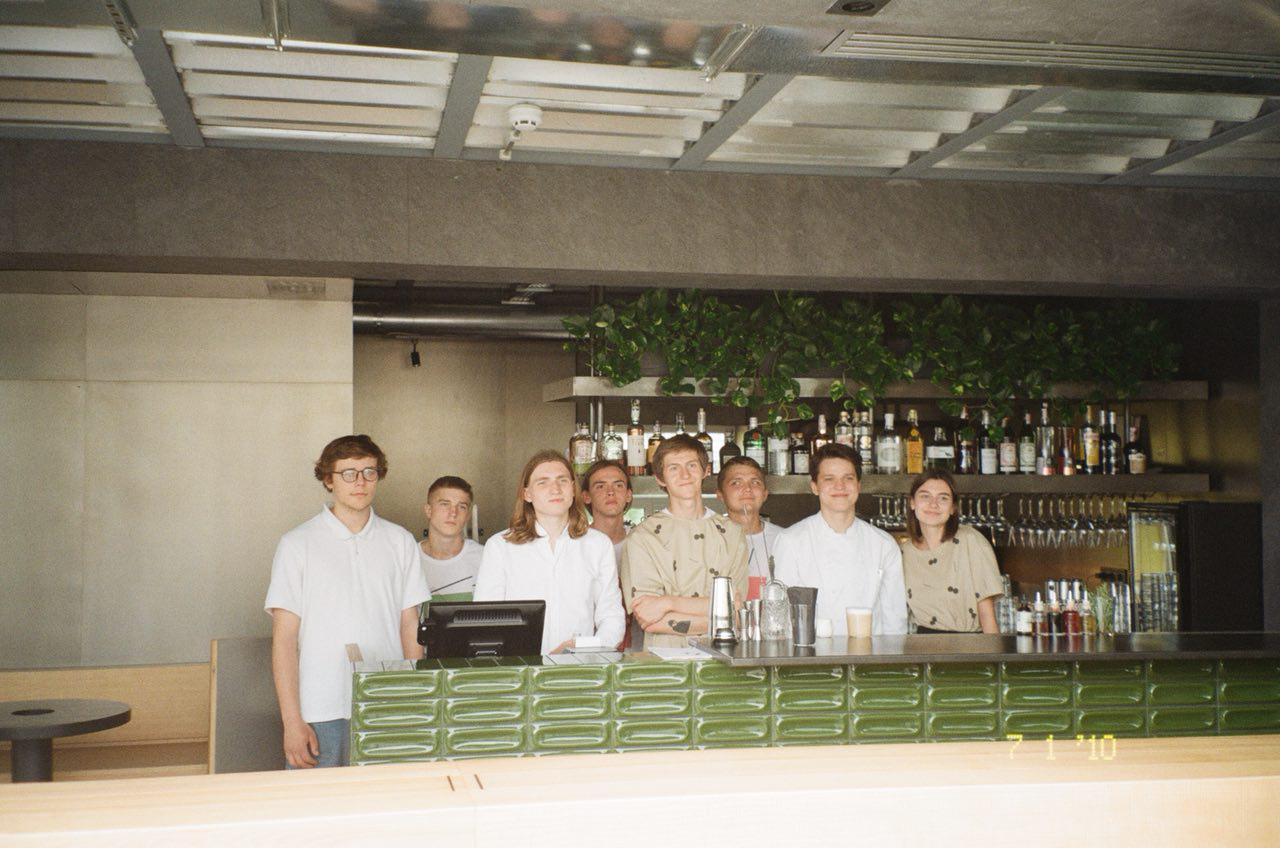
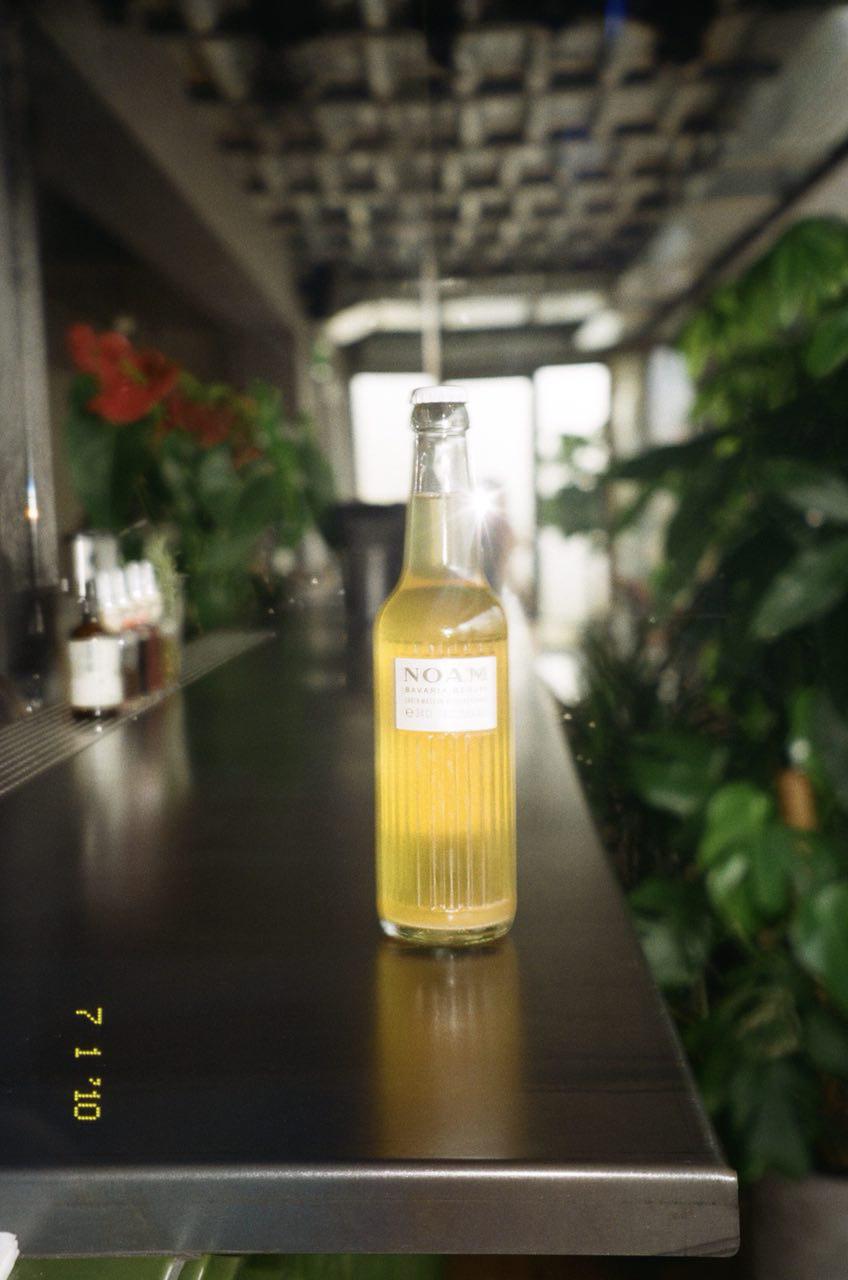
(click on image to view more)
How did you become a bartender?
I have been working in this field for three years now. I was still searching for an occupation after the university. The guys asked for help, and I found myself behind the bar. I am a journalist by profession, I like writing very much, but most of my work remains on the computer.
For me, the informal atmosphere is very important, so I started behind the bar at parties: Rhythm BURO, CXEMA, club 56. I was a barman at these parties, but it was part-time. Then I worked in Haze and the # bar. Then the bar "Window" was opened, and it’s been couple of years now since I’ve worked with them.
What’s a bar for you?
It’s a cultural phenomenon, just like the culture of alcohol consumption. In each place, people need individual approach. One mimics someone else, other is in for the classics. But, as for me, the bar is about communication with the guests and the right attitude to drinks.
Do you have a favorite alcohol?
Two favorites are beer and whiskey. There is delicious, world-class beer here in Ukraine. Only the Belgian beer is superior to it. I have been constantly working with whiskey in the # bar. It's good in cocktails, but to know its real taste - drink it neat.
What kind of bar would you be?
Maybe, "#". Such a detached, futuristic and minimalistic place with an idea. A place to go with friends, meeting musicians and artists who unintentionally form a sort of a community.
How did you end up in 1818?
I like the idea of BURSA - to make a person well and comfortable in simple ways. Without any Venetian curlicues. The same concept is reflected in the bar. There is no heap of decorations, the garbage above, a vision of a minimalist approach to life and cocktails. At the same time - a lot of interesting detail like a stylish beer or mescal, that is not found anywhere else in the country.
Would you call a bar culture an art?
No, because art is art, and craft is craft. And the creative approach in crafts is not always an art.
If there were only one type of alcohol and a single dish left on the planet, what would it be?
I'm a very simple person. With a company of old friends from Obolon, we hang in an ordinary beer hall. The top order, always comforting our appetites, is "Prince Sangushko" beer from Poltava region and the perfect French fries with ketchup. They have this ideal roast that makes them differ from the typical French fries served in other places.
How long have you been drawing?
Over five or six years now. It was a smooth shift from music. I played bass from the age of 16 until I was 21 or 22 years old, basically, it was underground punk or metal. At the same time, I began to draw. At some point the music was over, it was necessary to switch to something else. So, the schedule of creativity began. Every year I try to make the new series. It can be as many as 18 paintings, or just 5.
What principle do you follow in creating the series?
It's easier to work when you make a lot of sketches. You have the idea built, only then you transfer it to the canvases. It is the same as with music: you start with rehearsals, and you end up with an album. It can turn into paintings, silk screens, or decoration of the walls.
I came into art though graphics, patterns, processing simple forms that were everywhere. New details are added, old ones fade. Some things stay for years, some accents shift.
Do you start with a concept or the works themselves?
Previously, it was not quite possible to express an idea, so grimaces appeared in the works, that simply conveyed emotions and perplexity. Then the memories started feeding the imagination.
My childhood with grandparents was about constant trips to the cemetery. There were two of them in the small town. The one is in a vast field that does not seem to end, and the second one is in the old and abandoned forest. Grandfather liked to tell scary cemetery stories. As I got older I discovered “Hrobky” , a ritual that was completely incomprehensible to me. I had series of works completely devoted to this topic.
Then I noticed that all the objects in the city are gray, and the only ones that do not irritate me. I bought all possible shades of gray. A man in an urban environment is in a gray cloud.
The latest series is less intense. It’s the patterns for conditional party decorations. A standstill city rhythm.
None of my works have ever been exhibited. This is a question of the artist's independence. The important thing is that the works never grow old, and even the ones dated 2016 can be exhibited today.
Do you have favorite styles in the visual arts?
I really love the minimalists of the 60's. Frank Stella, Ellsworth Kelly ... These were the incredible people because they adhered to the idea of following the shape of flowers, in the first place. They both lived a long life and always engaged in projecting the forms of the future. In Europe, there was an awesome group Zero, that worked with optical illusions. Their reflection of what was happening looked beautiful and structural, minimum of dirty forms, minimalistic and interesting art.
The world as one picture. Which one?
At the moment, the whole world is like the "Scream" of Edvard Munch. Everyone is frozen in a single emotion that shows the lack of understanding of what will happen tomorrow. It would be awesome if people could realize and get frightened of what is going on now, just like the character on the picture. Yet, the perfect picture for me is a joyful scenery, calm sea, or any picture of Andreevsky Descent.